
Two historic stops in Vezirköprü: A mosque endowed in 1495 and a stone-built madrasa
Two Ottoman-era buildings close to each other in central Vezirköprü shed light on the district's history: Taceddin Paşa Mosque, known for its 1495 endowment deed, and Fazıl Ahmet Paşa Madrasa, built between 1661 and 1676. Both structures can be visited today in their restored state.
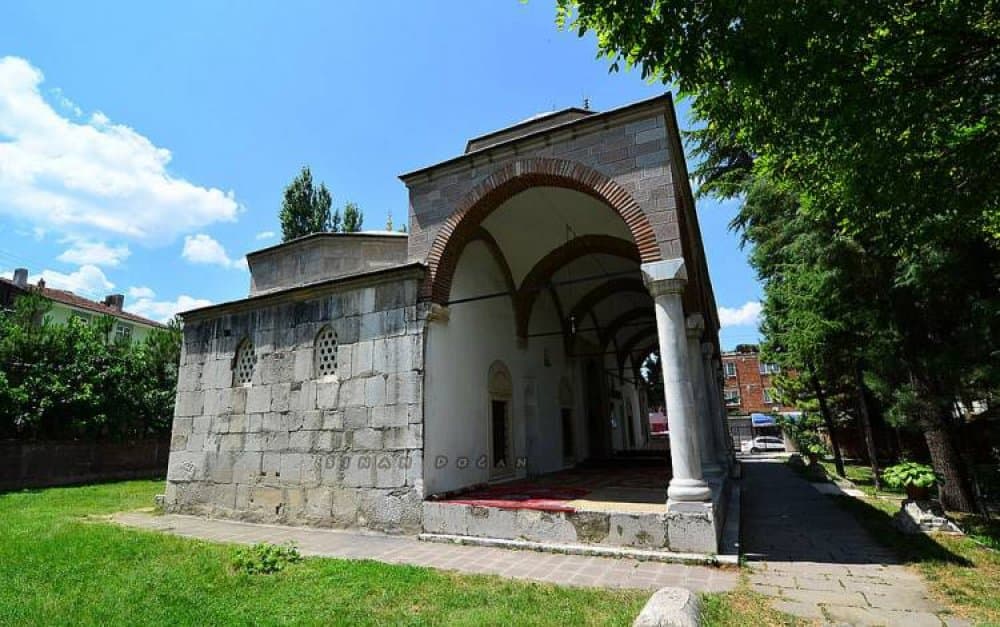
In Samsun's Vezirköprü district, two Ottoman-era buildings from different centuries carry the district's historic fabric into the present. Taceddin Paşa Mosque in Çanaklı neighbourhood and Fazıl Ahmet Paşa Madrasa in Fazıl Ahmet Paşa neighbourhood stand close to each other in the district centre.
A mosque endowed in 1495: Taceddin Paşa Mosque
Also known as Kurşunlu Mosque, Taceddin Paşa Mosque was commissioned, according to an Arabic endowment deed dated 23 May 1495 held in the General Directorate of Foundations archive, by İbrahim Paşa, son of Hacı Beyzade Mevlana Safiyyüddin; some sources therefore also refer to it as 'Taceddin İbrahim Paşa Mosque.' Within its walled courtyard sit the mosque section, an imaret (guesthouse) section, and fountains; the original plan included two domes in front of the mihrab and five domes over the last congregation area.
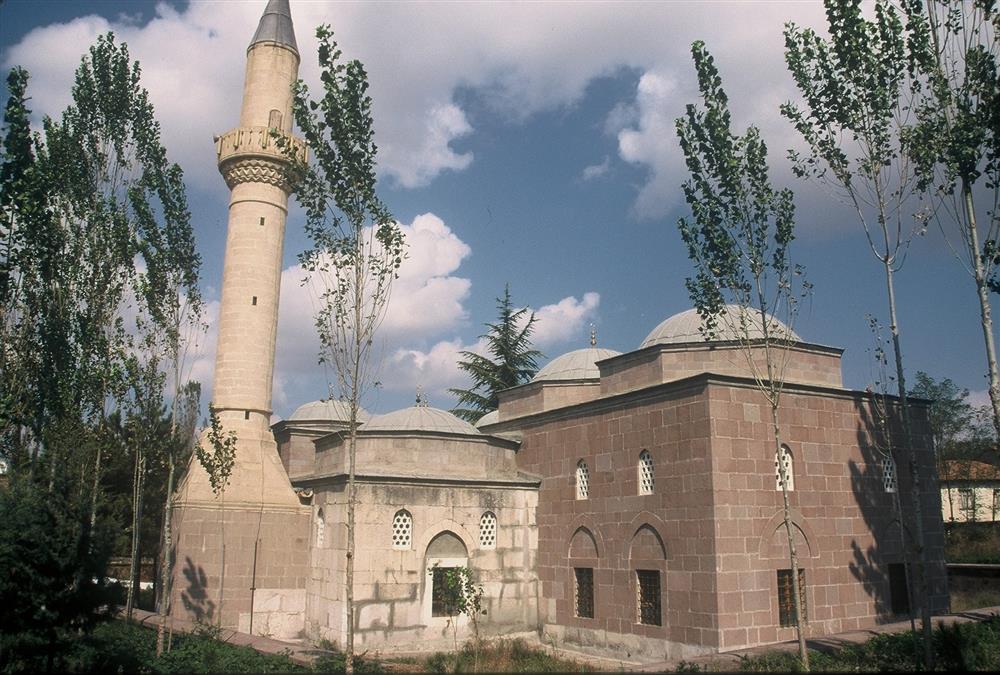
The minaret lost to the 1943 earthquake
The mosque suffered heavy damage in the 1943 earthquake; the dome in front of the mihrab, the last congregation area, and the minaret collapsed entirely. Local residents carried out a repair on the surviving walls in 1955, and a comprehensive restoration begun by the General Directorate of Foundations in 1989 was completed in the early 2000s, reopening the building for worship in a form faithful to its original design.
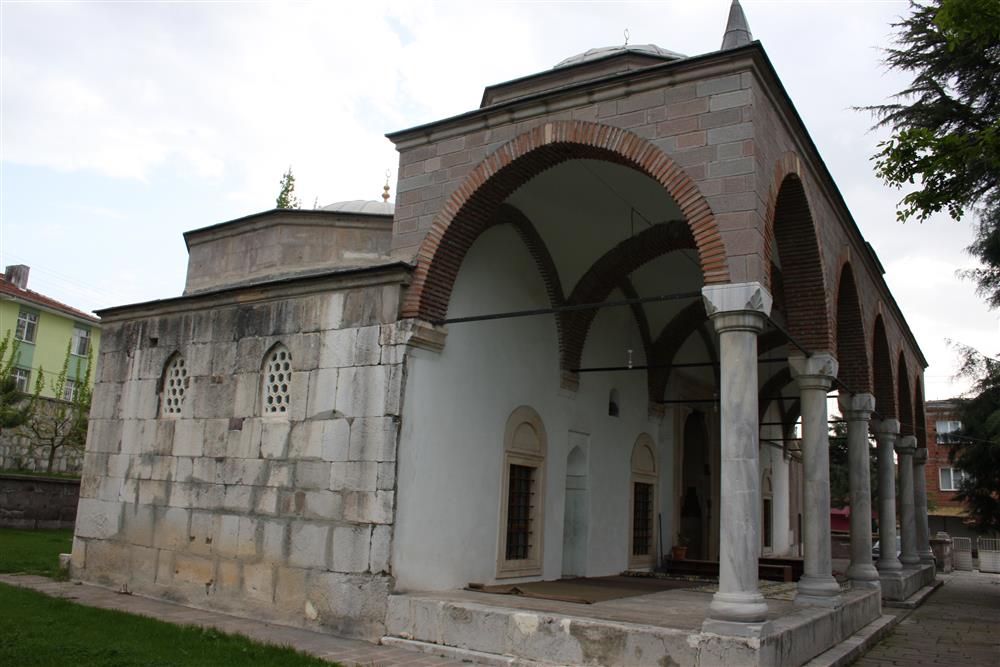
A rare stone madrasa on the Black Sea coast: Fazıl Ahmet Paşa Madrasa
Known locally as Taş Medrese (Stone Madrasa), Fazıl Ahmet Paşa Madrasa has no inscription giving its exact construction date, but it is generally accepted to have been built between 1661 and 1676, during Fazıl Ahmet Paşa's term as grand vizier. One of the rare Ottoman madrasas built entirely of stone in the Black Sea region, it has a courtyard with a central fountain surrounded by arcaded cells; its façades were built using pinkish Karacaviran stone.
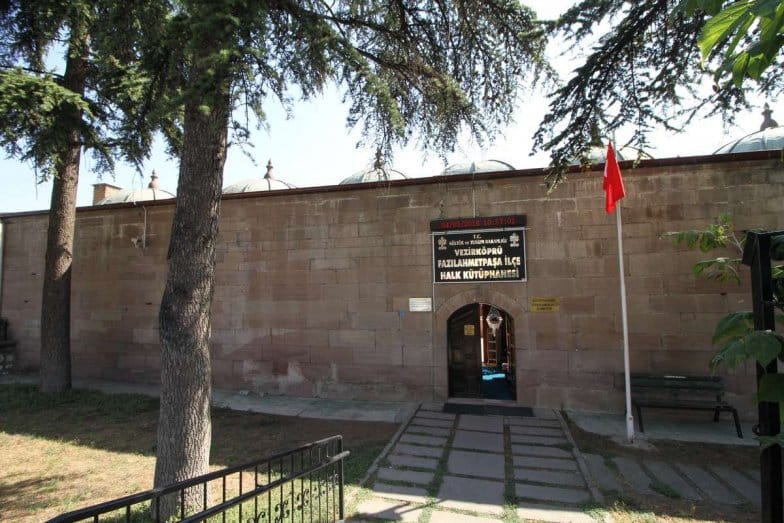
A public library since 1964
The madrasa's lead-clad roof was stripped during the 1877-78 Ottoman-Russian War to be used in making ammunition, and tiles were laid in its place; these tiles were replaced with copper cladding in 1974. Minor cracks caused by the 1943 Tosya-Ladik earthquake were later repaired, and the building underwent further restorations in the 1970s, 2000s, and 2010s. The madrasa has served as a public library since 1964, housing a collection that includes Persian and Arabic manuscripts.
Visitors to Vezirköprü can see both buildings on the same route in the district centre; together they rank among the most authentic surviving examples of the town's Ottoman-era architecture.